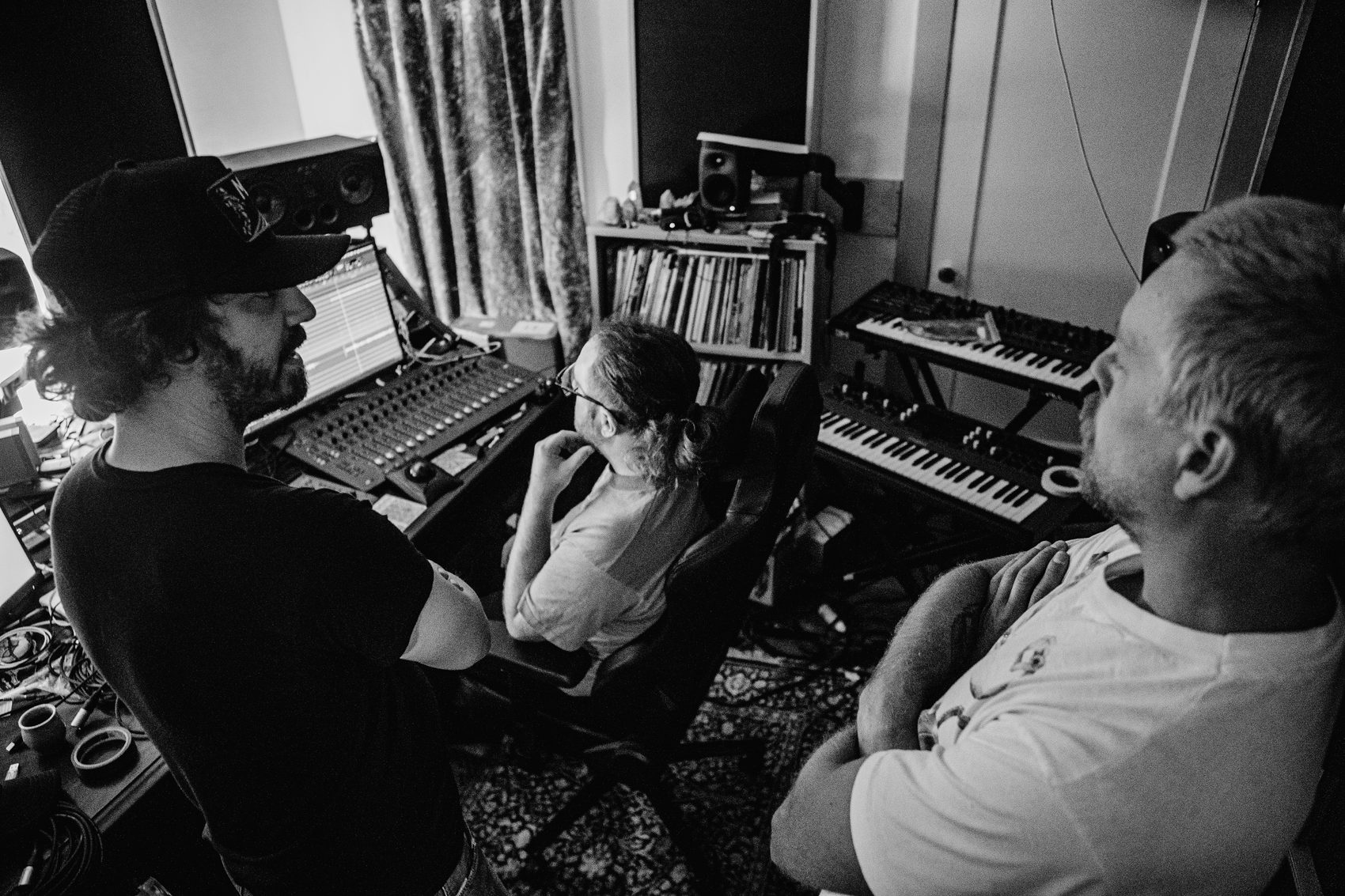
Built for guitars, keyboards and immersive mixing, a few blocks from North Berkeley BART. Bands, labels, game studios, and anyone who needs a mix that works in more than two channels.
Full-service from tracking to delivery, in stereo or immersive. Day rates and project rates both available — tell me what you're making and I'll quote it honestly.
Everyone in the room, everyone hearing themselves
Recording
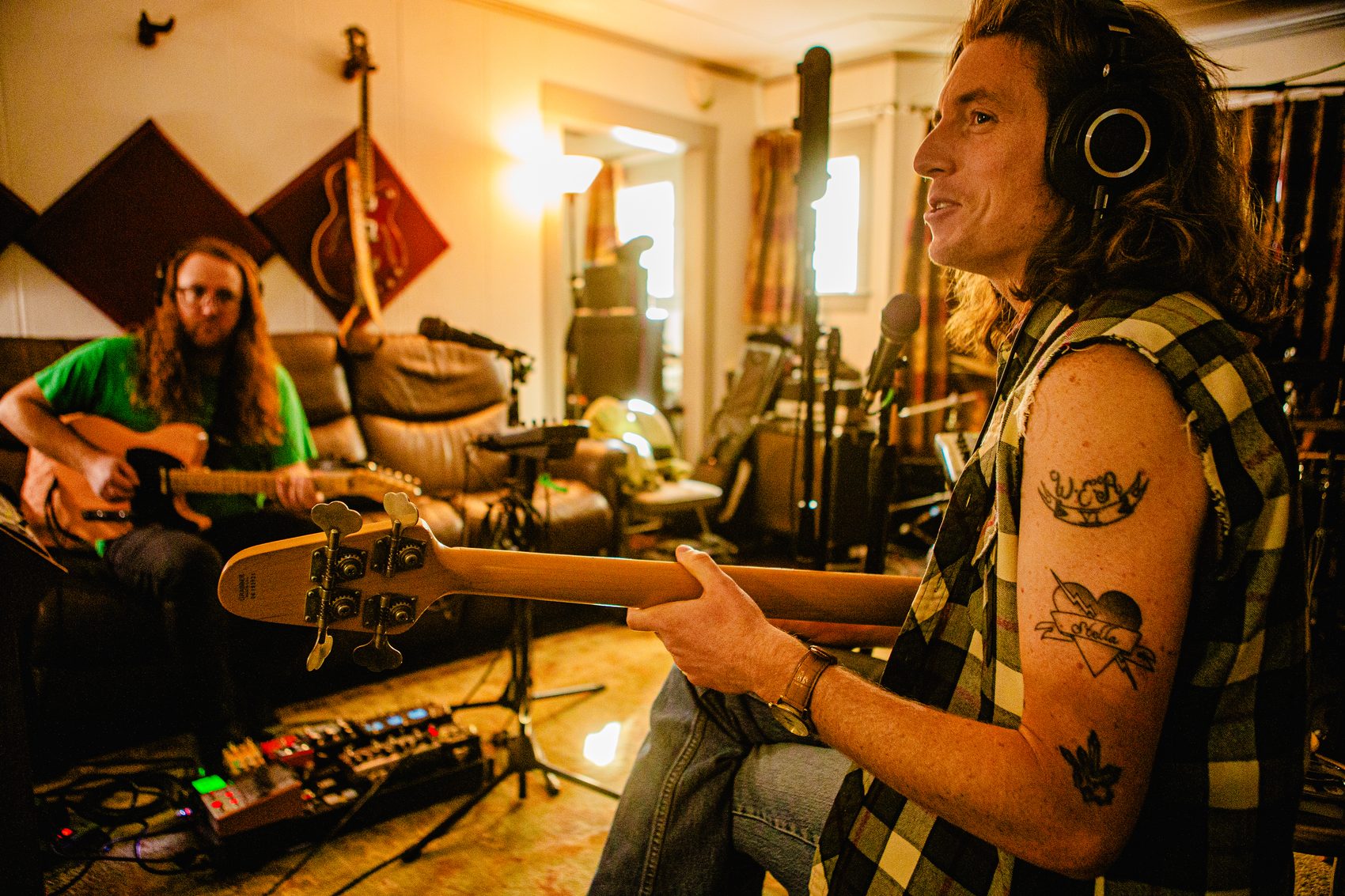
Live band tracking for five to eight players, everyone hearing themselves properly, and a guitar rig built for finding the sound rather than settling.
40-input Pro Tools Ultimate
Hearback, 7 personal monitors
Amps, cabs and pedals provided
Two cabinets at once for A/B
Mixing
Stereo and immersive mixes for local and international artists. Attended or remote, your call.
Stereo, 5.1, 7.1
Dolby Atmos delivery
Recalls included
Reference mixes within 48 hours
Production
Arrangement, additional instrumentation and a second set of ears on a record that's stalled.
Pre-production and arrangement
Session guitar, keys and vocals
Synth programming and sound design
MIDI sequencing and production
Mastering
Finishing for release, with immersive masters prepared alongside the stereo where you need both.
Stereo and Atmos masters
Streaming-platform delivery
Sequencing and spacing
Revisions on request
Dolby Atmos
Dolby Atmos, done in a real room
I built this room in 2020 because the first time I heard a proper immersive mix in a treated room it genuinely stopped me — sound moving over your head and behind you. I've just rebuilt it.
I mix Atmos for local and international artists, and I'm an alpha and beta tester for Avid, Krotos Audio, Plug-in Alliance, Sound Radix and SynchroArts — which means the tooling here tends to be a version or two ahead of general release.
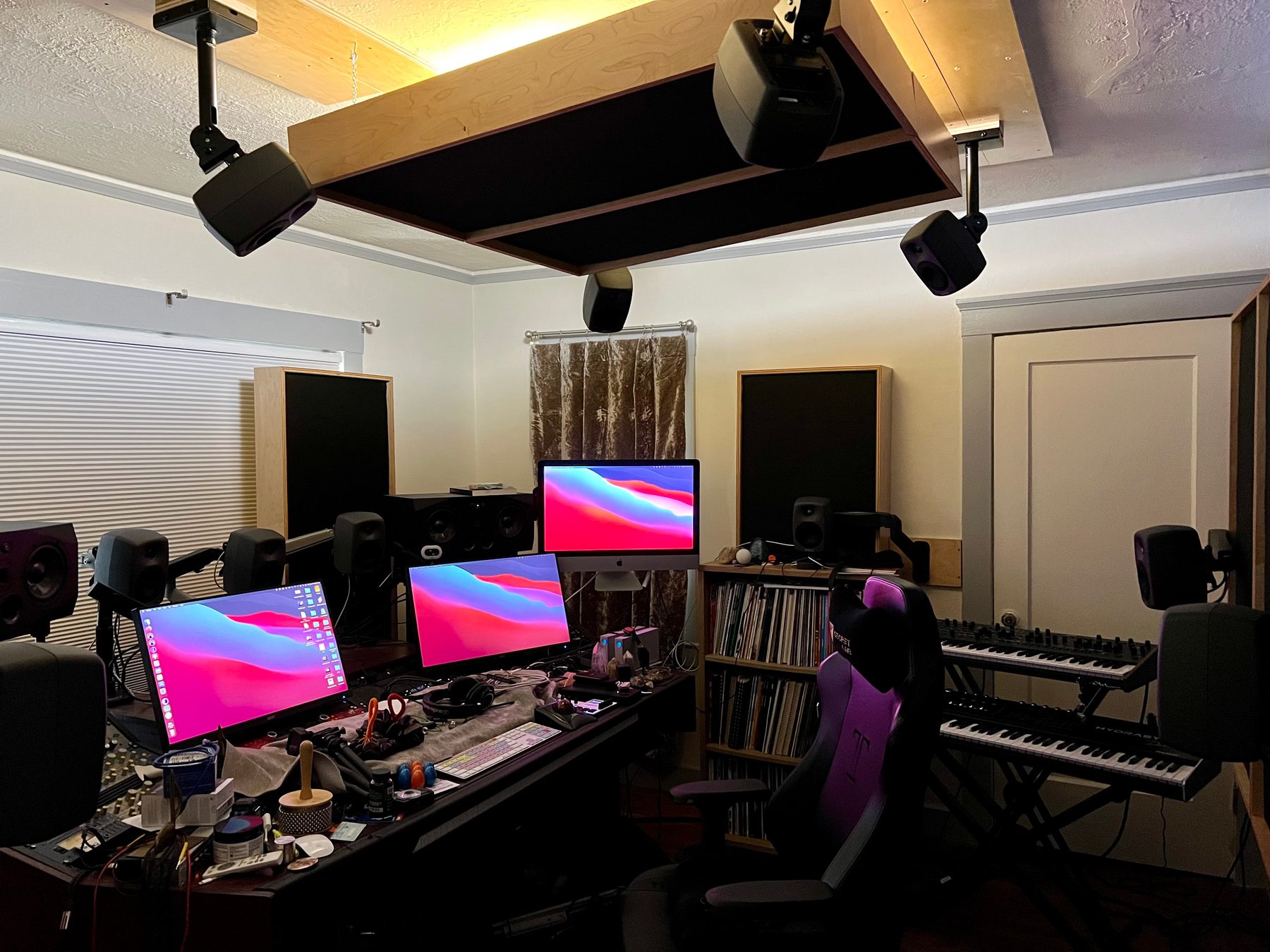
Seven at ear level, four overhead, all Genelec
The distinction that matters: plenty of people will sell you an Atmos mix made on headphones with a binaural renderer. This is a purpose-built 7.1.4 control room, all Genelec — seven ear-level speakers, four heights and a sub — running Pro Tools HDX2 with a Carbon interface.
You can approximate immersive in a monitoring plug-in, but you can't hear whether something really sits above the listener until you put it there and stand underneath it.
Stereo record, or built immersive from the start
Both work. Bring me a finished stereo mix to bring into Atmos, or build it immersive from the first session — composition, sound design, recording and mixing all under one roof.
Circus, theater, clown and physical performance. Original score, sound design and music direction for work that has to land in a room, in front of people, every night.
2026Church of Clown, San FranciscoSound design, programming & live triggering
2026 — currentLaunderland CircusScore, sound design & live operation
Music for live performance is a different craft from music for records, and the part I didn't expect to love is that it changes every night. The performers play into the sound — and clowns in particular move with it in ways a dancer never would. Watching a cue get answered differently on a Saturday than it was on a Thursday is the best argument I know for writing this way.
Practically, a cue has to hit on a beat a performer sets, not a click track, and survive being three seconds late because the trick took longer tonight. I come at that from both sides — a working musician who has spent twenty years reading a room from a stage, and a sound designer who mixes in a 7.1.4 immersive room. That combination matters for physical performance, where the audience is often on more than one side and the sound needs to move with the body.
Practically, that usually means building the show in QLab — cue stacks, fades, loops and hotkeys laid out so an operator can follow a performer rather than chase them. For work where the timing genuinely can't be predicted, I build custom sound sets triggered live: banks of stings, textures and transitions mapped so that whoever is on the desk, or the performer themselves, can fire the right sound on the beat it actually happens. Clown work in particular needs that — a gag that lands two seconds late still needs the sound to land with it.
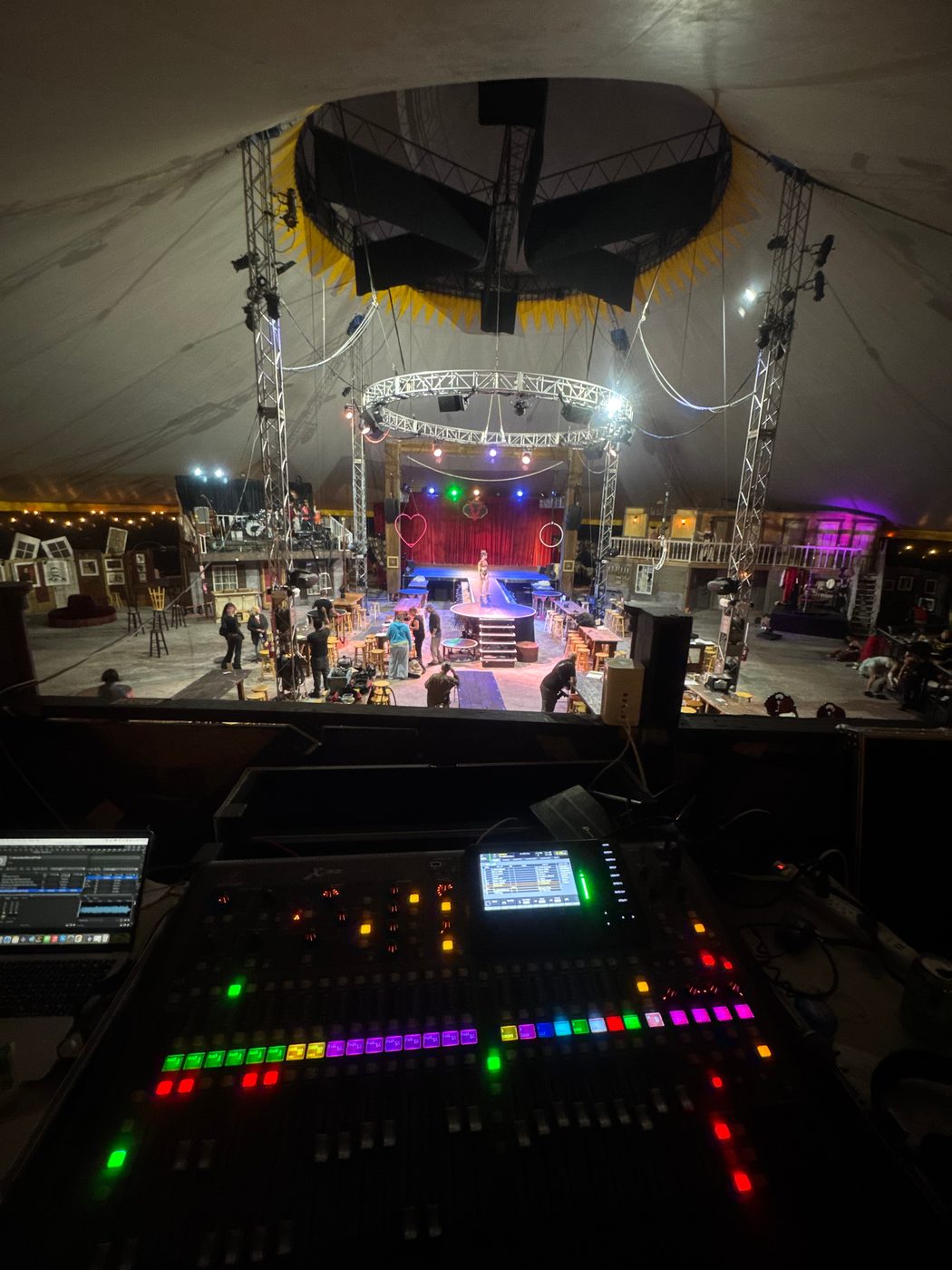
Running a show — QLab on the left, the desk in front, the stage beyond
Original score
Composed to the shape of the show. Written, performed and produced here, with live guitar, keys, horns or strings where the budget allows and sampled instruments where it doesn't.
Sound design
Original effects, textures and transitions, built and recorded rather than pulled from a library. Foley captured in the live room for the sounds that need to feel handmade.
Music direction
Arranging existing material, building a cue sheet, and shaping how music carries the arc of a show. Useful when you know what you want it to feel like but not what it should be.
QLab & playback
I program the show, not just supply the files. Cue stacks, fades, loops and hotkeys, handed over built, labeled and ready for someone else to run cold.
How this usually works
Most shows start with a conversation and a rough runsheet. From there I'll build a handful of sketches against whatever video or description exists, we find the tone, and the score grows as the piece does. I'd rather come in early and cheap during development than arrive at tech week with a finished thing that doesn't fit.
I know that devised work changes shape until very late, and I price and plan for that rather than treating it as scope creep. If the running order moves in week three, that's the process, not a problem.
And I can run it. I operate sound for circus and theater as well as designing it — currently A1 for Soiled Dove, and I ran Launderland Circus live as well as scoring it. If you want one person to write the music, build the QLab file and sit behind the desk for the run, that's available through Harry Gold Sound.
Sound design, original score, implementation and session guitar for interactive projects. I teach game audio with Wwise and FMOD at Foothill College, which is a decent guarantee I know the pipeline you're working in.
Double FineKiln2026 · Session guitar
Originator IncEndless Learning Academy — Back to School DLC2022 · Sound design, composition
Originator IncEndless Learning Academy — Earth Day DLC2022 · Sound design
Original effects built and recorded here, including Foley captured in the live room rather than pulled from a library.
Composition
Adaptive and linear score, written and performed. Live guitar, keys and horns where the budget allows.
Implementation
Wwise and FMOD integration, delivered as working middleware sessions rather than a folder of WAVs.
Prototyping
Building and testing audio prototypes — the work I do as an alpha and beta tester, applied to your project.
Clients
Some of what's come out of here
Full-length records, brand work and game audio, alongside a long list of Bay Area bands and touring artists.
Cutting Honky Tonk Wisdom — Eric Long, live room
Honky Tonk Wisdom — Eric Long's 2025 full-length. Co-produced, tracked, mixed and mastered here, and I played lead guitar on it. Twelve songs of country grooves and rhythm and blues out of West County Sonoma, played loud and loose.
The band took it to Hardly Strictly Bluegrass the same year, same chair.
2025Eric Long — Honky Tonk WisdomCo-produced, tracked, mixed & mastered. Lead guitar · 12 songs · Americana
2023Eli Goldlink's Flavor of the Month Club Band — KatieCo-produced, mixed & mastered
2022Eli Goldlink's Flavor of the Month Club Band — AmeliaCo-produced, mixed & mastered · nine-piece Berkeley soul
What people say
“Fool's Gold Studios was a no brainer. Top notch gear and one of the coolest mixing rooms in the Bay. Harry's a fast engineer, with a great gear list and mic locker, and knocked it out of the park with our record.”
Eric Long
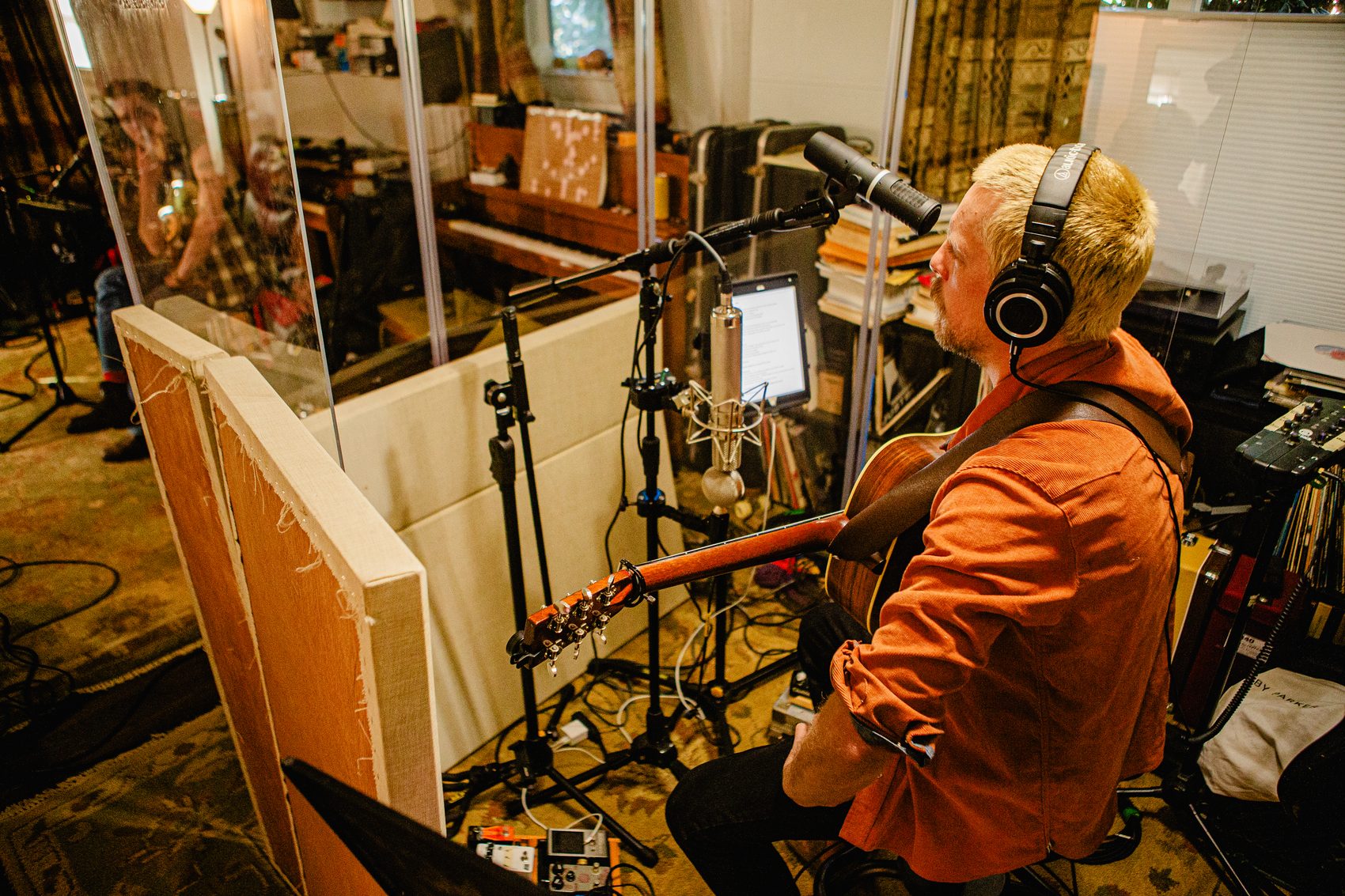
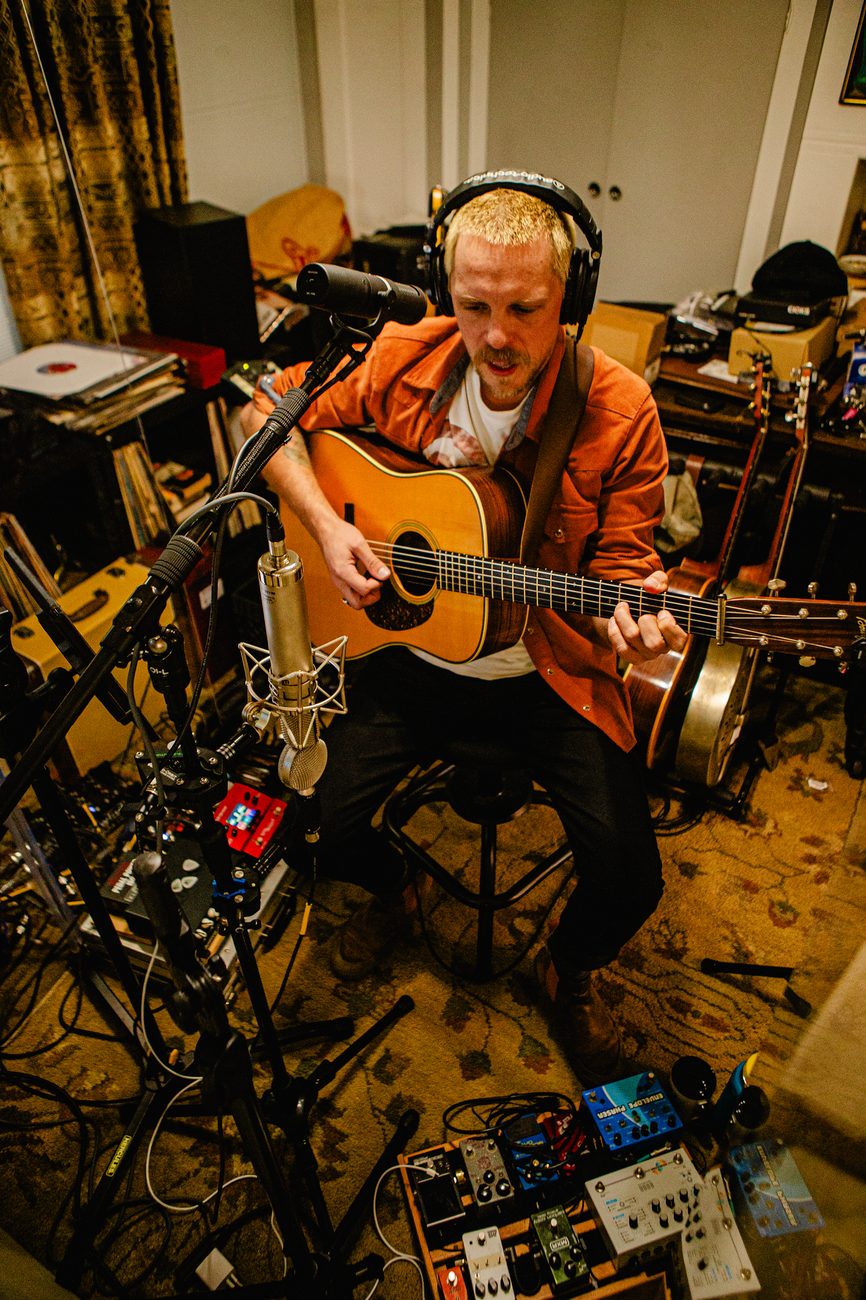
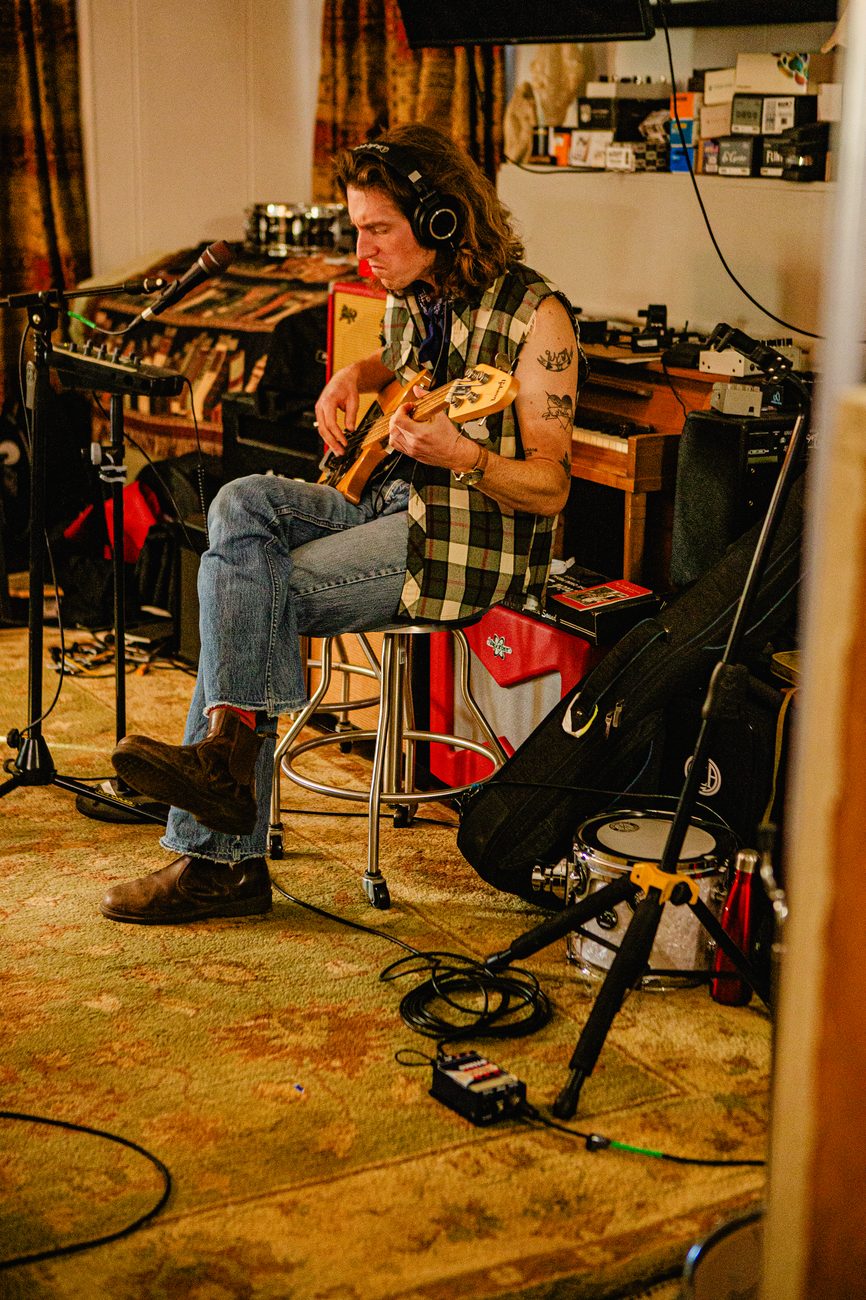
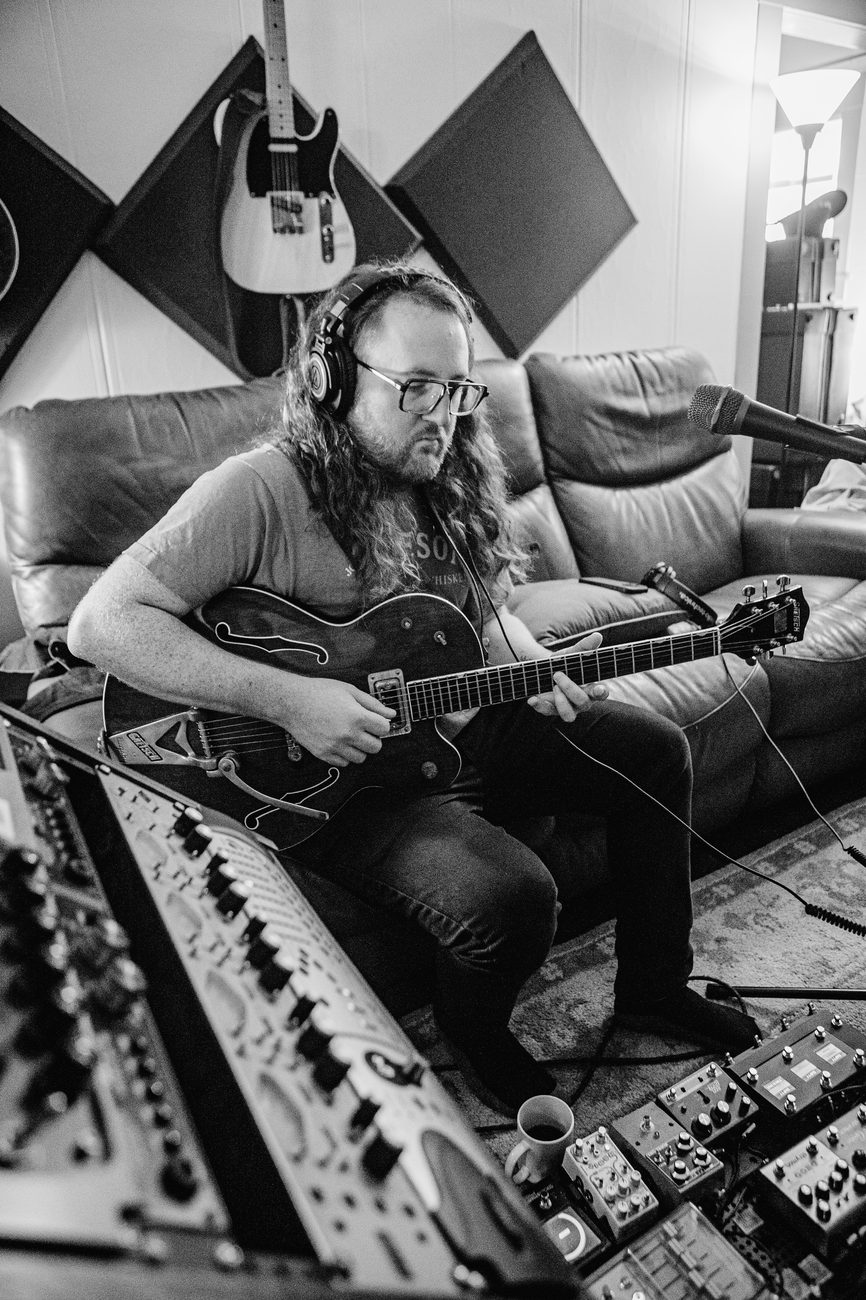
Acoustic and vocal, tracked togetherBass, in the room with everyone elseElectric, cut from the control room couch
A keyboard and guitar room, built for finding tones rather than settling for them. 450 square feet of live space, a deep synth and organ collection, and a 40-input Pro Tools Ultimate system behind it.
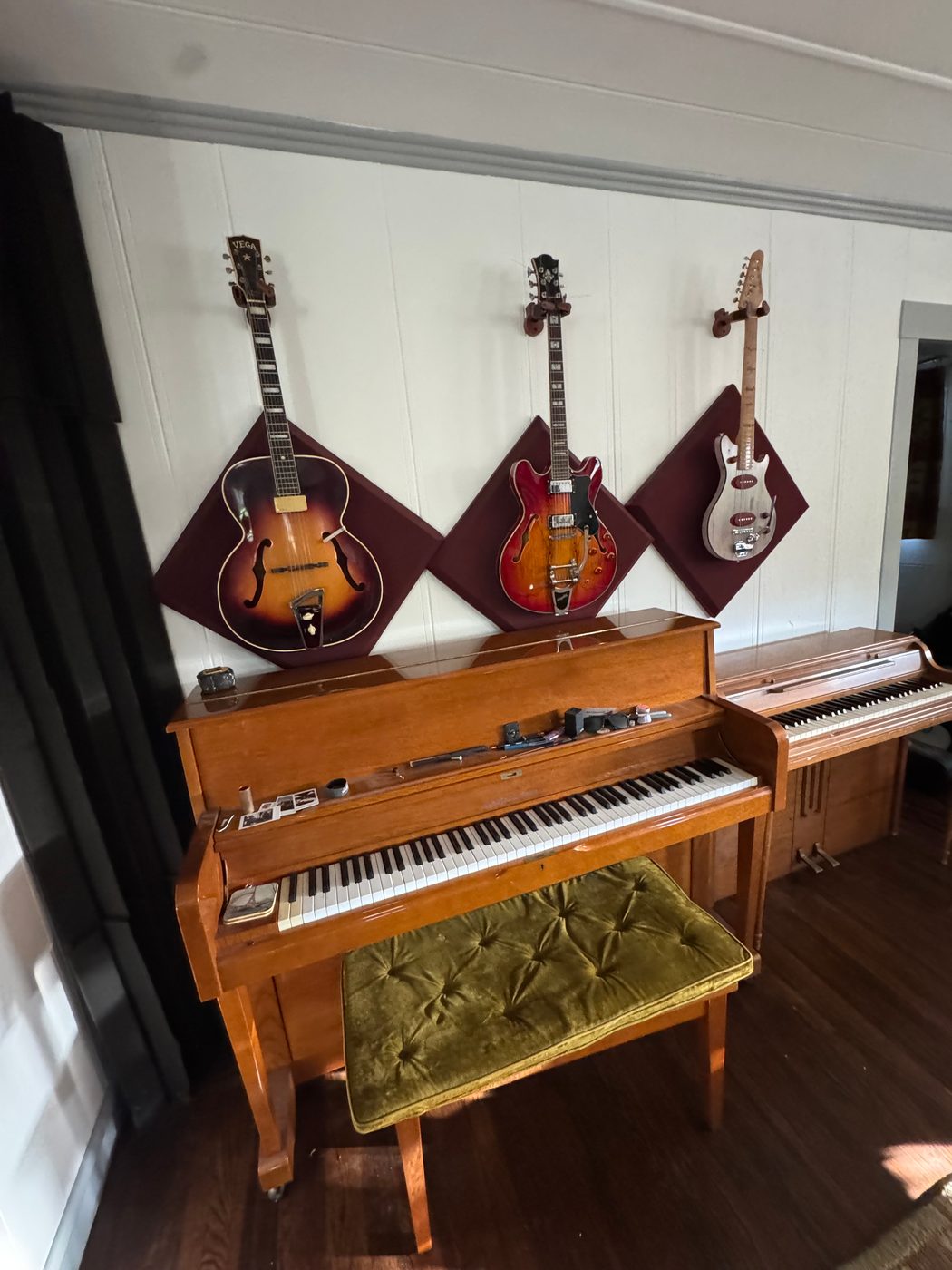
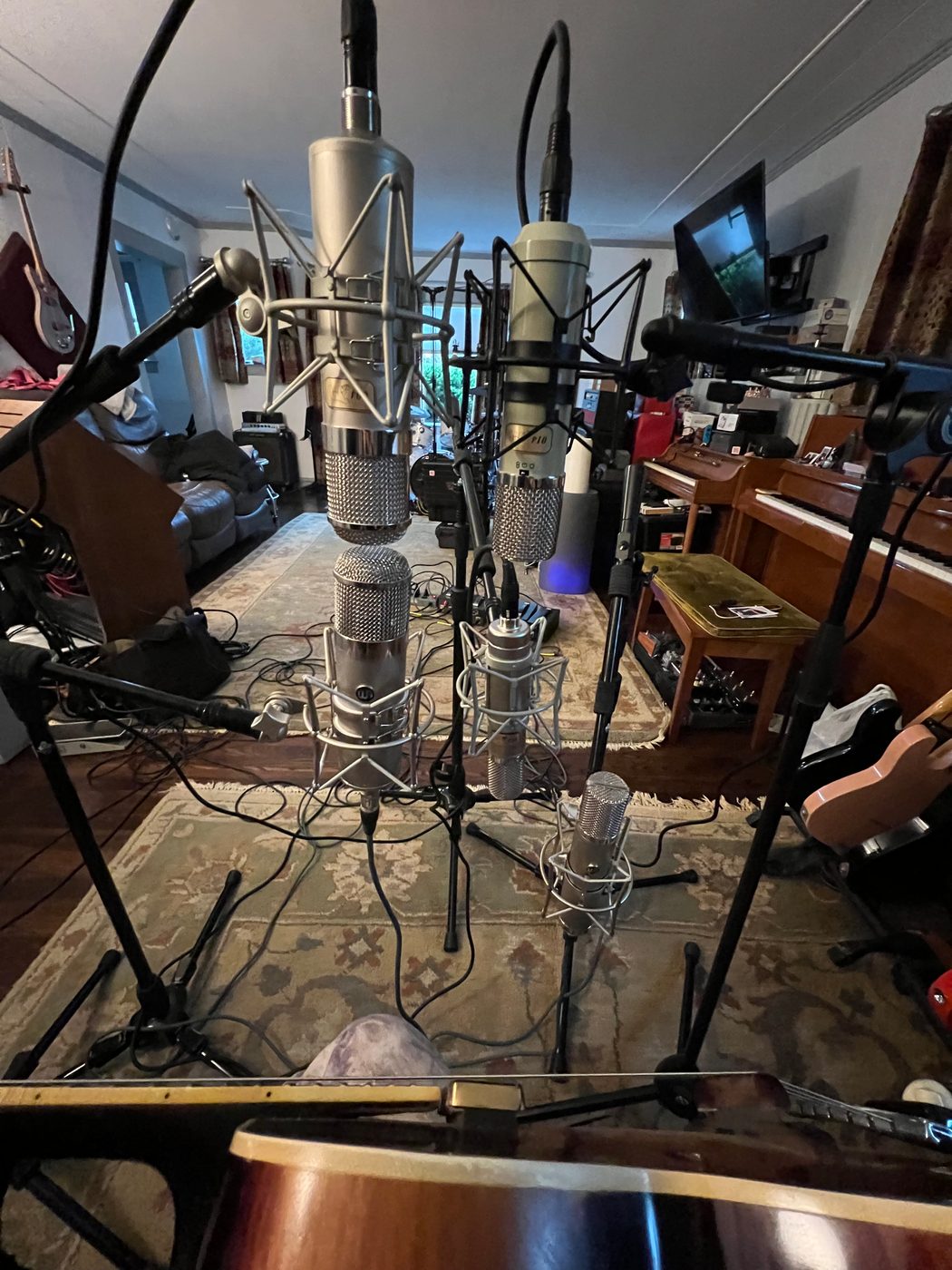
Piano, Wurlitzer and part of the guitar wallTube, ribbon and condenser mics, out and ready
Most small studios have a Nord and call the keyboard question answered. This room has a Hammond A100 through a Leslie, an upright piano, and a synth collection that runs from a Sequential OB-6 and an Arturia PolyBrute 12 to a Waldorf Iridium and an Osmose. If you play keys, or you want somebody who does, it's a good room to be in.
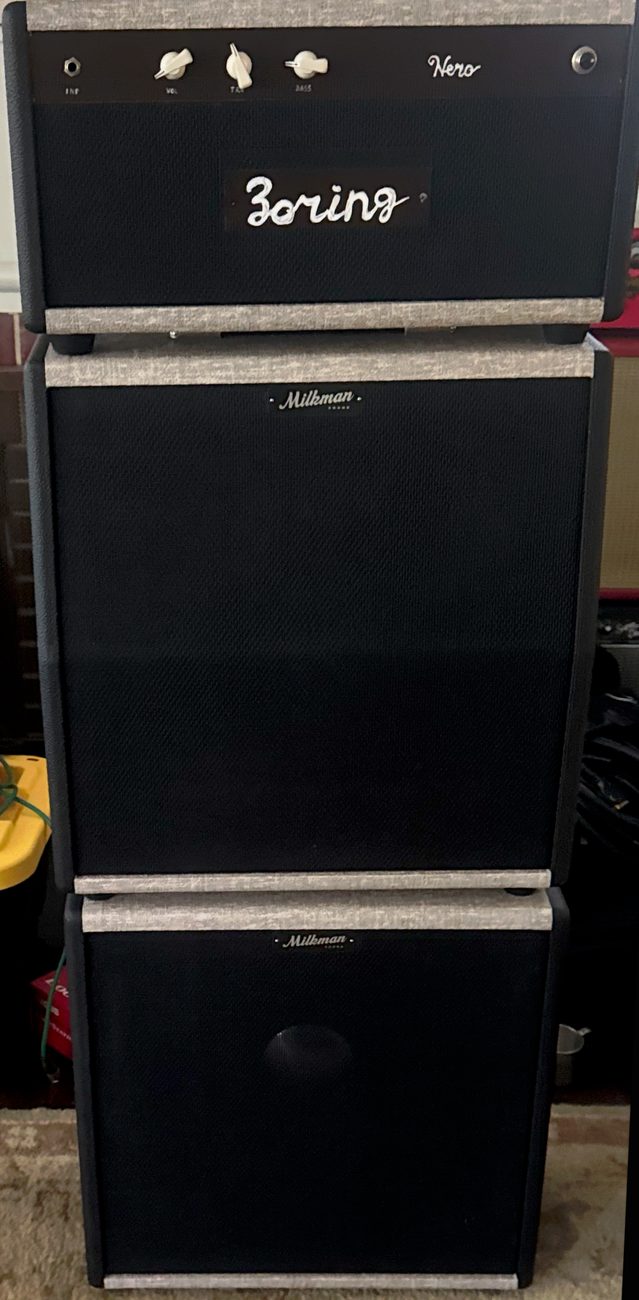
Two of the amps here don't exist anywhere else. A 6L6 Zoring Nero and an EL84 one-off, both built to my spec and voiced for this room. Behind them, seven cabinets, a wall of guitars and a deep pedal library — so the tone is something you find rather than settle for.
And there is more than one way to track it.
In the room with the band. Isolate your cabinet with a Radial SGI and play together, with the amp cranked somewhere else in the building.
Two cabinets at once. A Two Notes ReLoad sends one performance through two different cabs, so you are comparing rather than guessing.
Capture post-amp. A Captor X load box takes the signal after the amp with cabinet emulation on the way out. Re-amp later and decide what tones the record actually needs.
The Zoring Nero on the Milkman 4x8 and 1x15
A working example: tracking my own record, I sat in the live room with the band and ran a Radial SGI out to the Zoring Nero head, feeding a Two Notes ReLoad that drove the 4x8 and the 1x15 at the same time. Two completely different guitar sounds off a single take.
The 4x8 is loaded with two different speakers, so even on its own it is not one tone — it is a palette. Blend it with the 1x15 and you are somewhere no plugin gets you. That is the stack, exactly as it was set up for the record.
The point of all of it is to make exploring cheap. Most sessions, the tone gets decided in the first twenty minutes because changing it is a hassle. Here it is not, so you can keep looking until you find something that is actually yours.
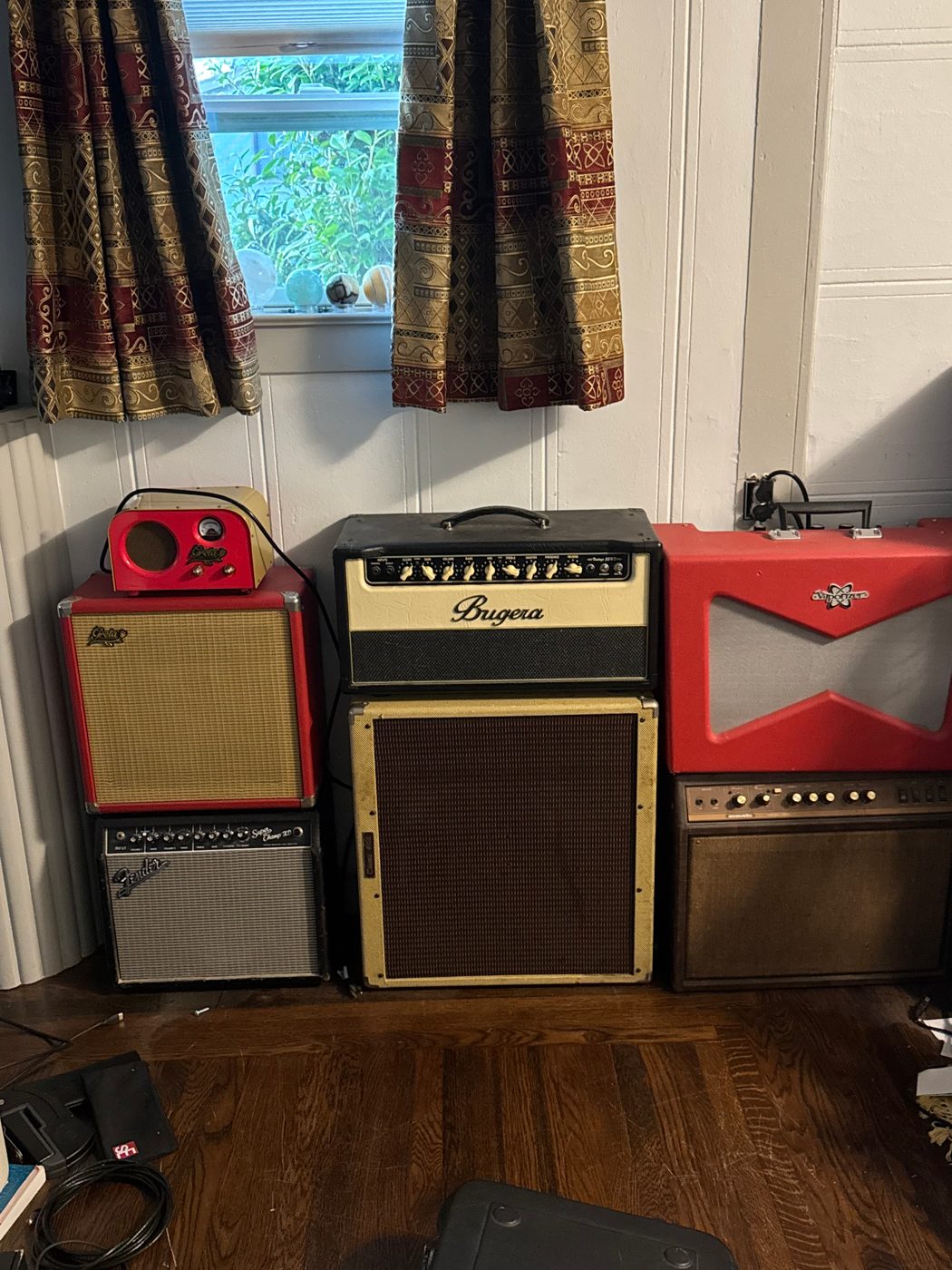
Some of the amps — Bugera, Greta, Vaporizer and friends
And I work in MIDI as fluently as audio. A lot of tracking rooms record what you play and stop there; here you can arrive with a sketch and leave with a produced arrangement.
It's wired for it, too. MIDI runs over Ethernet throughout the building — an iConnectivity mioXL in the control room and a mioXM in the live room — so a keys player can sit with the band, in the room, and still have every note captured as MIDI alongside the audio. No being exiled to the control room to get a usable performance, and no re-tracking a part later because the take felt right but the sound didn't.
The pedalboard is on the same network, so guitar tones recall — not just which pedals were on but what order they sat in. Come back three weeks later to fix one line and the rig comes up as you left it.
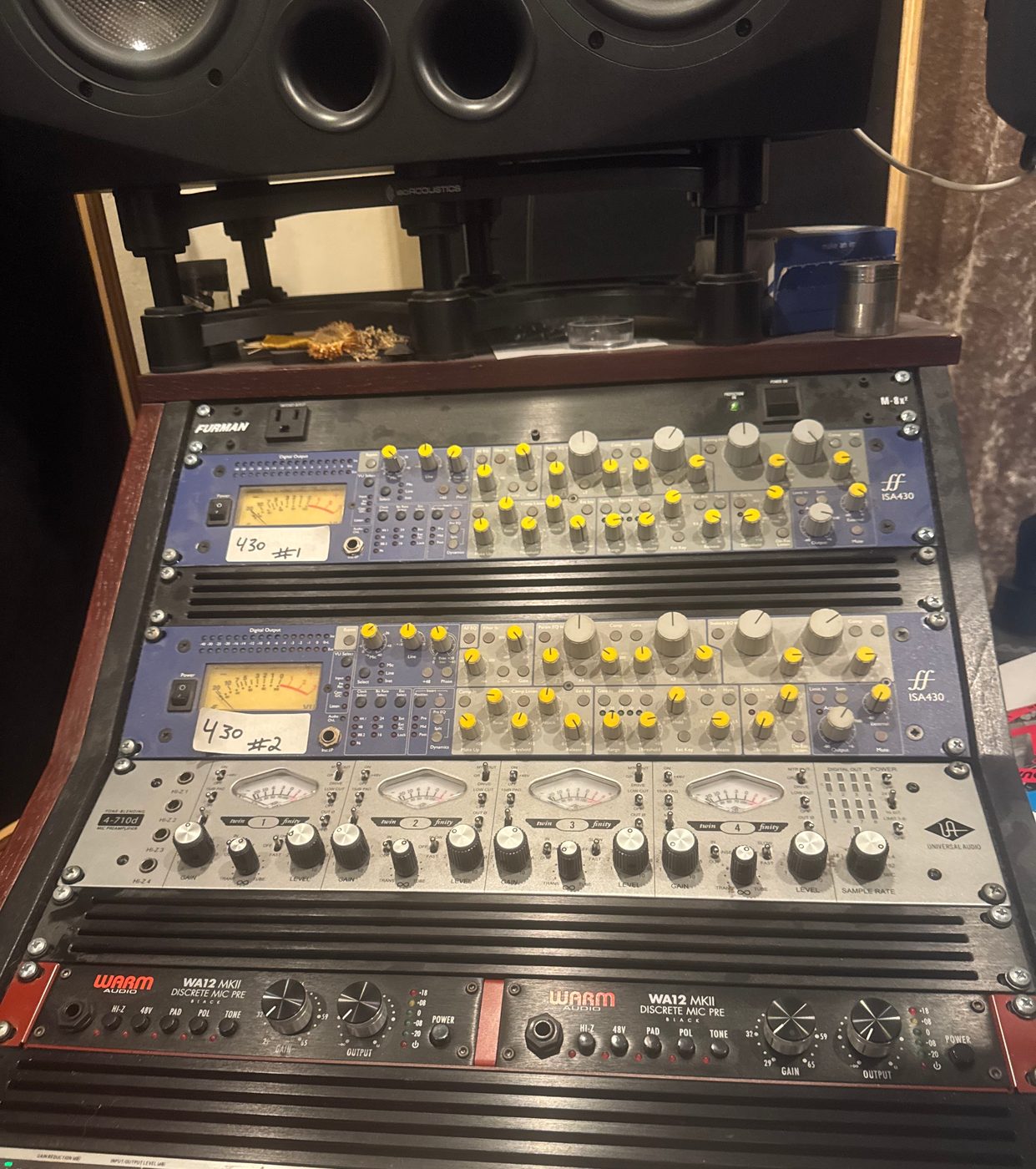
Two ISA430 Mk1s, a UA 4-710d and a pair of WA-12s
See the full gear listMicrophones, guitars, amps, keys, pedals, control room
Keys — acoustic & electromechanical
Hammond A100Leslie Studio 12
Upright piano
Nord Electro 5 73
Synths
Sequential OB-6analog, 6-voice
Arturia PolyBrute 12analog, polyphonic aftertouch
Waldorf Iridium
Expressive E Osmose
Guitars
Archtops, Les Pauls, Telecasters, Strats and some genuinely bizarre creations
Amps
Zoring one-offEL84 power section — built to spec, 1 of 1
Zoring Nero6L6 power section — small run, voiced to spec
Mesa Boogie Mark V 25
Egnater Tweaker 40
Bugera V55HD head
Fender Vaporizer 2x10combo
Fender Gretacombo
Cabinets
Custom Milkman 4x8two different speakers — alnico and ceramic — in one cab
Milkman 1x15alnico
Peavey 4x10
Mesa Boogie 1x12
Mesa Boogie 1x10
Egnater 1x12
Greta 1x12
Bass
1964 Ampeg B-15N
Drums
DW Collector's maple kit20" kick · 10" and 12" rack toms · 16" and 18" floor toms
14" Ludwig Black Beauty snare
Complete set, Meinl sandblasted
Complete set, Zildjian
Drive, fuzz & boost
Chase Bliss × Benson Automatone Preamp MkII
Benson Preamp
Benson Germanium Fuzz
ZVEX Mastotron
ZVEX Super Duper 2-in-1two cascaded clean boosts
R2R Electric NOS Treble BoosterRangemaster circuit, 1960s capacitors and parts
Fish Circuits Model One
Boss BD-2 · DS-1
Delay, echo & reverb
Strymon El Capistan
Strymon Flint
Chase Bliss Dark World
Chase Bliss Lost & Found
Electro-Harmonix Epitome
Boss RV-3
Danelectro Reel Echo
Modulation, texture & lo-fi
Chase Bliss Mood MkII
Chase Bliss Generation Loss MkII
Chase Bliss Habit
Chase Bliss Clean
Hologram Microcosm
Hologram Chroma Console
Strymon Deco V2
Electro-Harmonix Freeze
Jackson Audio ModularAmp Mode · Twin Trem · New Wave
Five wahsCry Babies, a custom build and a few oddities
Boss Loop Station
Organ & keyboard voices
Electro-Harmonix B9 · C9
Electro-Harmonix Lester G
Leslie pedal
MIDI control
Morningstar MC8 Pro
Morningstar MC6 Pro
Morningstar ML10XMIDI loop switcher — routing recalls with the patch
Pedal states and control room automation, recallable per session
Amp capture & reamping
Two Notes Captor X×2 — reactive load, attenuator and DynIR cab sim. 32 virtual cabinets, 8 mics each, 13 rooms, plus custom IR loading
Two Notes Opus
Two Notes Torpedo ReLoad MkII
IK Multimedia Tonex One×2
Milkman The Amp
United Replay box
Radial SGI×2, play in the live room with amps elsewhere
Preamps
Avid24 channels
Avid Carbon8 channels
Focusrite ISA430 Mk1×2 — input and output transformers
Universal Audio 4-710d4 channels, tube/solid state blend
Warm Audio WA-12×2
Compression
Klark Teknik KT-2A×2, LA-2A style optical
Klark Teknik KT-76×2, 1176 style FET
ISA430 Mk1 dynamics sections×2
Control room
Pro Tools Ultimate, 40 inputs
HDX2 + Carbon
iConnectivity mioXLMIDI over Ethernet, control room
iConnectivity mioXMMIDI over Ethernet, live room
Monitoring
Genelec 7.1.4Dolby Atmos — all Genelec, 7 ear level, 4 height, 1 sub
ADAM A77Xstereo reference pair
Hearback system7 × 8-channel personal monitors
Ribbon microphones
AEA A440
AEA R88Astereo Blumlein
AEA R84A
AEA KU5A×2, supercardioid
Cascade Fathead×4
Tube microphones
Warm Audio WA-47
Warm Audio CX-12×2
M-Audio Sputnik
Condensers — large
AKG C414
AKG P420×2
Aston Origin
Ear Trumpet Labs Edwina
Condensers — small
Warm Audio WA-84×2
Aston Starlight×2
Lewitt LCT 040×4
Lewitt LCT 140×2
Shure SM137
AKG P120
Dynamics & boundary
Shure SM57×2
Shure SM91boundary
Sennheiser e906×2, guitar cabs
Sennheiser e604×4, toms
Beyerdynamic M201
Warm Audio WA-19×2
Telefunken M80×3
Shure Beta 84 · AKG D5
DI & inline
Radial JDI×2, passive
Radial J48active
Radial ProD2stereo
Klark Teknik CT-1×6, signal boosters
Credentials
Who's behind the desk
Harry Gold — producer, sound designer, composer and Atmos mixer. Sound is the thing I can't switch off; it's the first thing I hear when I walk into a bar, and most of what I'm thinking about on any given day is arrangement, production, and whether the emotion in a piece of music actually reaches the person hearing it. That question is what I'm being hired for, whatever the format.
Berklee-trained, and an Avid Certified Instructor. I teach at Foothill College — game audio with Wwise and FMOD, Pro Tools for game audio, sound design for film, studio recording and Logic. Previously at Pyramind and the Academy of Art University. Avid have also commissioned me to write Pro Tools curriculum and education materials.
Co-author, with Ryan Rey, of Logic Pro 101 and Audio Production Basics with Logic Pro X, both published by Bloomsbury.
Also a working blues and jazz guitarist and pianist, which is the reason session players tend to have a good time in this room.